


Top 20 Biggest Mergers in History: Vodafone, AOL, Pfizer, ExxonMobil

    Top 20 Biggest Mergers in History: Vodafone, AOL, Pfizer, ExxonMobil

    1h03
    20 stories
    Featuring:VodafoneAOLTime WarnerPfizerMicrosoftBayerExxonMobilDell TechnologiesAT&TCharter CommunicationsAB InBevGlaxoSmithKlineBristol-Myers SquibbShellCVS HealthRaytheon TechnologiesRBS / NatWestTakedaEngieMannesmannMonsantoActivision BlizzardChris GentFred GoodwinKlaus EsserLipitorHostile takeoverMerger of equalsVertical integration

    Introduction

    In November 1999, Vodafone's CEO Chris Gent offered Klaus Esser, head of German conglomerate Mannesmann, €100 billion for his company. Esser refused outright. What followed was a three-month campaign of open letters, shareholder lobbying, and televised political outrage in a country where hostile cross-border takeovers were culturally unthinkable. When Vodafone's share swap closed in February 2000 at a revised valuation of €190 billion (roughly $183 billion), it remained for a quarter-century the largest hostile takeover in corporate history, and the deal that forced European lawmakers to harmonize cross-border takeover rules.

    The twenty transactions in this collection are the modern mega-mergers. All-stock combinations, cash-and-share deals, vertical integrations, horizontal rollups, and cross-border takeovers, each one crossing $60 billion. The playbook is not retired. Global M&A value hit $4.9 trillion in 2025, a new record, with Union Pacific and Norfolk Southern announcing an $85 billion railroad combination, Google's $23 billion acquisition of Wiz, Palo Alto Networks' $25 billion purchase of CyberArk, and a wave of AI-driven strategic combinations still in the pipeline for 2026.

    What the stories share is scale. What separates them is what happened afterward. ExxonMobil's 1999 horizontal combination produced $2.8 billion of annual synergies and became the industry benchmark for integration discipline. Pfizer's 1999 hostile bid for Warner-Lambert captured Lipitor, the best-selling drug in history at the time. Verizon's 2014 buyout of Vodafone's 45% stake in Verizon Wireless ended a structurally awkward joint venture at the peak of wireless profitability. On the other end, AOL-Time Warner produced a $99 billion writedown within two years of closing. RBS's consortium acquisition of ABN AMRO in 2007 ended in the largest bank bailout in British corporate history. AT&T paid $85 billion for Time Warner in 2018 and spun it back out three years later. Bayer paid $63 billion for Monsanto in 2018 and has since booked €11.8 billion of Roundup-related liabilities.

    For the deal formats that structure these combinations, the types of mergers and acquisitions explainer covers the four main structures (merger, tender offer, asset purchase, reverse Morris Trust). For how deals actually move from first contact to signing to closing, the M&A process timeline walks through each stage.

    Merger of equals

    A transaction structured as a combination of two roughly comparable companies, where neither is formally the "acquirer" and both contribute a share of the combined board, leadership, and ownership. In practice, very few mergers of equals stay equal: one partner usually dominates integration within two to three years, and the organizational culture of the larger company typically wins out. DowDuPont (2017), Raytheon-United Technologies (2020), and Glaxo-SmithKline (2000) are the clearest examples of the format in this collection, and each behaved differently after the combination closed.

    01 / 20

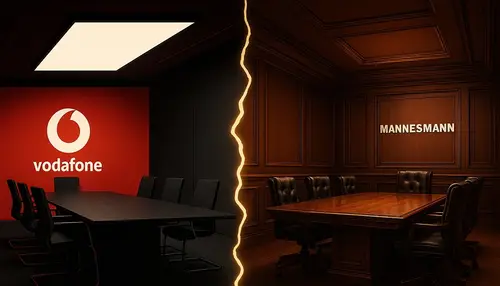
    When Vodafone Engineered the Largest Hostile Takeover Ever
    When Vodafone Engineered the Largest Hostile Takeover Ever

    Inside the high-stakes battle for Mannesmann, the $183B deal that redefined global telecom and tested Germany’s corporate defenses

    In early 2000, Vodafone Airtouch completed the largest hostile takeover in corporate history, acquiring Germany’s Mannesmann AG for $183 billion. This landmark deal not only reshaped the global telecommunications landscape but also challenged Europe’s corporate governance norms, setting a precedent for cross-border mergers and acquisitions.

    At the heart of the battle was Vodafone, the UK’s leading mobile operator, and Mannesmann, a diversified German conglomerate that had evolved into a telecom powerhouse after acquiring Orange PLC. Vodafone, eager to dominate the European telecom market, viewed Mannesmann’s assets as pivotal for consolidating its position. The bid was launched in November 1999. Vodafone’s unsolicited offer valued Mannesmann at €100 billion ($137 billion at the time), but the German firm’s management, led by CEO Klaus Esser, rejected it outright. Esser labeled the proposal “wholly inadequate,” insisting Mannesmann’s recent expansion justified a higher valuation.

    Vodafone’s CEO, Chris Gent, pursued an aggressive strategy. Eschewing friendly negotiations, Gent appealed directly to Mannesmann’s shareholders, bypassing the resistant board. Vodafone leveraged a multi-channel media campaign, emphasizing the potential synergies and urging investors to consider shareholder value over national pride. This approach was controversial. In Germany, hostile takeovers were culturally taboo. The bid sparked nationalistic backlash, with the German government and business leaders decrying it as an “attack on German industry.” The debate escalated to political spheres, raising questions about foreign ownership of key national assets.

    Mannesmann’s defensive move (its acquisition of Orange) was intended to complicate Vodafone’s bid by creating antitrust obstacles. Ironically, this strengthened Vodafone’s resolve. Analysts noted that Vodafone’s need to access Mannesmann’s European network outweighed the regulatory hurdles. After nearly three months of intense lobbying, shareholder pressure mounted on Mannesmann’s board. By February 2000, a revised offer of €190 billion (approximately $183 billion) was agreed upon, marking the largest M&A deal ever. The transaction was structured as a share swap: Vodafone offered 58.96 of its shares for each Mannesmann share. Post-merger, Vodafone became the world’s largest mobile operator, boasting over 42 million subscribers across Europe.

    Despite the deal’s strategic rationale, its aftermath was fraught with controversy. Public outrage erupted over hefty executive payouts, notably Klaus Esser’s €15 million severance. German prosecutors initiated legal action, accusing Mannesmann’s executives of breach of fiduciary duty. Though they were eventually acquitted, the case spotlighted the cultural clash between Anglo-American shareholder capitalism and German stakeholder governance. For Vodafone, the Mannesmann acquisition was transformative but also instructive. Integrating such a large cross-border acquisition posed operational challenges. Moreover, the anticipated synergies took years to materialize, and Vodafone’s share price suffered in the short term.

    Beyond the corporate realm, the Vodafone-Mannesmann deal reshaped Europe’s M&A landscape. It demonstrated that European giants were no longer immune to aggressive foreign bids. The deal emboldened other companies to pursue hostile strategies, albeit with greater awareness of cultural sensitivities. Regulators also took note. The transaction accelerated discussions on harmonizing European takeover laws, leading to the EU Takeover Directive in 2004, which sought to standardize M&A rules across member states.

    Vodafone’s acquisition of Mannesmann stands as a landmark in corporate history, not just for its sheer size but for its strategic, cultural, and regulatory implications. It redefined global telecommunications and reshaped how Europe approached corporate mergers, leaving a legacy that resonates to this day.
    02 / 20

    The $165B AOL-Time Warner Merger: A Definitive Case of Corporate Hubris

    The $165B AOL-Time Warner Merger: A Definitive Case of Corporate Hubris

    Inside the 2000 merger that aimed to fuse media and technology but collapsed under cultural divides and the dot-com crash

    In January 2000, America Online (AOL) and Time Warner announced a merger valued at $165 billion, a landmark deal that was hailed as a defining moment for the future of media and technology. The vision was simple yet ambitious: to create a dominant force that would merge Time Warner’s vast content library with AOL’s rapidly growing internet platform. At the time, AOL was the largest internet service provider in the United States, boasting over 22 million subscribers, while Time Warner was a powerhouse in traditional media, with assets spanning cable TV, film studios, publishing, and music.

    The deal was structured as a stock-for-stock merger, with AOL shareholders owning 55% of the new entity and Time Warner shareholders holding 45%. The logic seemed impeccable in the euphoria of the dot-com boom. AOL’s sky-high market valuation, driven by its dominant internet presence, made the deal not only possible but seemingly visionary. Executives promised synergies that would redefine consumer experiences, integrating Time Warner’s premium content with AOL’s digital distribution capabilities.

    Yet, beneath the surface, the merger was fraught with challenges from the outset. One of the most significant issues was the stark cultural mismatch between the two companies. AOL, a brash and fast-moving internet company, was built on the energy and optimism of Silicon Valley’s dot-com era. Time Warner, by contrast, was a traditional media conglomerate with a conservative corporate culture rooted in decades of legacy operations. This clash of corporate identities became apparent almost immediately, with both sides struggling to find common ground on strategic decisions and operational integration.

    The situation worsened with the bursting of the dot-com bubble in 2000-2001. AOL’s stock, which had been instrumental in financing the merger, plummeted in value. What had been a $165 billion megadeal quickly turned into a financial quagmire. In 2002, the combined entity reported a staggering $99 billion loss, the largest annual corporate loss in U.S. history at that time. Much of this was due to goodwill write-downs linked to the overvaluation of AOL’s assets.

    Internally, the merger was plagued by infighting and lack of a unified vision. AOL executives, who initially took top leadership roles, found themselves increasingly sidelined as Time Warner’s traditional media veterans pushed back against AOL’s digital strategies. Efforts to cross-sell AOL’s internet services with Time Warner’s cable and content offerings faltered. The anticipated digital revolution failed to materialize, as consumer behavior did not align with the grand integration plans envisioned by the merger’s architects.

    By the mid-2000s, it was clear that the merger had failed to deliver on its promises. The company faced mounting pressure from shareholders and analysts who questioned the strategic rationale of the deal. In 2009, Time Warner officially spun off AOL, effectively undoing the merger less than a decade after it was announced. AOL was left as a shadow of its former self, eventually being acquired by Verizon in 2015 for a mere $4.4 billion, a far cry from its $165 billion valuation at the peak of the merger.

    The AOL-Time Warner merger has since become a classic case study in business schools and boardrooms alike, illustrating the perils of overvalued mergers, cultural incompatibility, and strategic overreach. Analysts point to the failure as a cautionary tale of how market euphoria can blind companies to fundamental business realities. The deal, once touted as a blueprint for media and internet convergence, is now often cited as one of the most disastrous mergers in corporate history.

    Despite its failure, the merger did leave a lasting impact on how companies approach mergers and acquisitions, particularly in the media and technology sectors. It underscored the critical importance of cultural fit, realistic synergy expectations, and the dangers of allowing market hype to drive strategic decisions. Today, the name “AOL-Time Warner” serves as a stark reminder that even the most ambitious corporate visions can collapse under the weight of flawed execution and unforeseen market forces.

    03 / 20

    DowDuPont: A $130B Merger That Proved Bigger Isn’t Always Better

    DowDuPont: A $130B Merger That Proved Bigger Isn’t Always Better

    Inside the 2017 merger that formed DowDuPont - and how antitrust scrutiny and strategy turned it into three specialized giants within two years

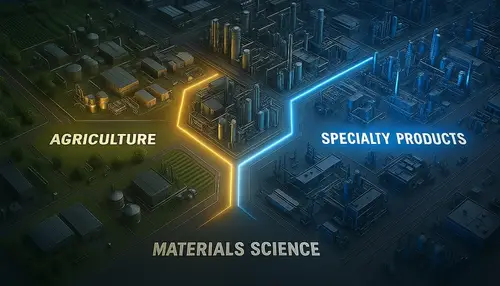
    In December 2015, Dow Chemical and DuPont announced a $130 billion merger of equals, setting in motion one of the most complex and unconventional deals in corporate history. Unlike typical mergers aimed at long-term integration, this transaction was designed with an unusual twist: the combined entity would eventually be dismantled into three distinct, publicly traded companies, each focused on a core business sector. This “merge to split” strategy was pitched as a way to unlock shareholder value by creating more agile and specialized businesses in agriculture, materials science, and specialty products.

    The merger officially closed in August 2017, after a protracted regulatory approval process. Both the U.S. Department of Justice and the European Commission expressed serious antitrust concerns, particularly over the companies’ overlapping agricultural businesses. To secure approval, Dow and DuPont were forced to divest significant assets, including DuPont’s global herbicide and insecticide businesses and Dow’s acid copolymers segment. These divestitures were critical to addressing competition concerns but also shaped the future structure of the combined company.

    Once merged, the new entity, DowDuPont, was never intended to be a permanent fixture. From the outset, leadership emphasized the plan to separate into three independent companies. Despite being a “merger of equals,” the governance structure reflected a delicate balance, with Edward Breen, DuPont’s CEO, taking the helm of DowDuPont, while Dow’s CEO, Andrew Liveris, chaired the board. This arrangement ensured both legacy companies had significant influence over the breakup strategy.

    By 2019, the separation was executed in stages. In April, Dow Inc. was spun off as an independent entity focused on materials science, including packaging and specialty plastics. This was followed by the creation of Corteva Agriscience in June, which consolidated the agricultural segments of both legacy companies, specializing in seeds, crop protection, and digital agriculture. The remaining business, retaining the DuPont name, focused on specialty products ranging from electronics to advanced materials.

    The rationale behind this engineering feat was simple: create focused companies better positioned to compete in their respective markets, free from the bureaucratic complexity of a sprawling conglomerate. Investors had long criticized both Dow and DuPont for their diversified, sometimes unfocused portfolios, arguing that individual business units were undervalued within the larger corporate structures. The breakup aimed to correct this by allowing each segment to pursue its own strategic path, tailored to its industry dynamics.

    Financially, the results were mixed but strategically sound. The separation allowed each new company to streamline operations and sharpen its market focus. Dow, for instance, reoriented itself as a pure-play materials science company, while Corteva emerged as a leading name in agricultural innovation. DuPont’s specialty products business, meanwhile, was able to concentrate on high-margin, technologically advanced materials.

    However, the process was not without its challenges. Integrating the merged operations, even temporarily, proved complex. There were questions about whether the short-lived existence of DowDuPont truly added value beyond what could have been achieved through simpler spin-offs or divestitures. Critics argued that the merger’s primary function was to facilitate asset shuffling under the guise of strategic realignment, with the breakup always being the real endgame.

    Nevertheless, the DowDuPont case stands out as a sophisticated example of using mergers and acquisitions as a vehicle for strategic corporate restructuring. It demonstrated how regulatory constraints, when navigated correctly, can be incorporated into long-term corporate strategy rather than seen merely as obstacles. The merger’s forced divestitures, for example, arguably strengthened the competitive positioning of the resulting entities by focusing them on core competencies.

    In retrospect, the DowDuPont merger and breakup illustrated a pragmatic approach to conglomerate engineering. While it lacked the glamour of a conventional “big merger success story,” it offered a textbook example of how companies can use M&A not just to grow, but to strategically reshape themselves. The result was three more focused, competitive firms, arguably better equipped to face their respective market challenges than the sprawling conglomerates they once were.

    04 / 20

    How Verizon Bought Out Vodafone’s Stake in a Record-Breaking $130B Deal

    How Verizon Bought Out Vodafone’s Stake in a Record-Breaking $130B Deal

    Inside the 2013 buyout that gave Verizon full control of Verizon Wireless, ending a global joint venture and reshaping U.S. telecom strategy

    In September 2013, Verizon Communications announced a $130 billion deal to acquire Vodafone’s 45% stake in Verizon Wireless, marking the third-largest corporate transaction in history at that time. The move brought an end to a 14-year joint venture between the two telecom giants and allowed Verizon to gain full control over the most profitable wireless carrier in the United States. For Verizon, this was not merely a financial transaction. It was a strategic milestone aimed at consolidating its operations and fully capitalizing on the growth of wireless communications.

    The joint venture between Verizon and Vodafone had been established in 1999, during a period of rapid expansion in the wireless market. While the partnership proved successful, generating substantial profits, tensions had been growing over the years. Verizon sought greater control over strategic decisions, frustrated by the limitations of a shared ownership model. As wireless became Verizon’s primary revenue engine, contributing the lion’s share of profits compared to its declining wireline business, the desire to consolidate ownership intensified.

    The $130 billion transaction was structured as a combination of cash and stock. Vodafone received $58.9 billion in cash and $60.2 billion in Verizon stock, with the remaining $11 billion comprised of smaller transactions, including Verizon’s divestiture of its 23% stake in Vodafone Italy. This combination offered Vodafone an opportunity to both return value to its shareholders and refocus its operations. Vodafone announced plans to invest £6 billion into network upgrades across Europe and emerging markets, while distributing approximately $84 billion to its shareholders, including all Verizon shares obtained in the deal.

    Financing such a massive acquisition required a monumental effort. Verizon secured a $61 billion bridge loan from a consortium of banks, including JPMorgan Chase, Morgan Stanley, Bank of America, and Barclays. This financing arrangement was one of the largest ever assembled for a corporate acquisition, reflecting both the scale of the deal and the confidence of lenders in Verizon’s ability to manage the debt through the reliable cash flows of its wireless operations.

    Regulatory approval for the deal was obtained with relative ease. Unlike other high-profile telecom mergers, Verizon’s acquisition of Vodafone’s stake did not significantly alter competitive dynamics, as it was a buyout of an existing joint venture partner rather than a horizontal merger with a direct competitor. By February 2014, the deal was completed, and Verizon emerged as the sole owner of Verizon Wireless.

    The strategic rationale behind the buyout was clear. Full ownership allowed Verizon to streamline its corporate structure, eliminate profit-sharing with Vodafone, and fully integrate its wireless operations with its broader business strategy. The company could now make faster strategic decisions regarding network investments, product offerings, and market expansion without needing joint venture approval. Furthermore, owning 100% of Verizon Wireless enabled Verizon to fully capture the unit’s cash flows, which were critical for funding future investments in network infrastructure, including the expansion of its 4G LTE services.

    For Vodafone, the sale represented a pragmatic decision to exit a lucrative but non-controlling investment. By monetizing its stake at a historically high valuation, Vodafone freed up capital to strengthen its core operations and shareholder returns. The deal marked a strategic pivot, as Vodafone sought to double down on its European and emerging market assets, where it maintained direct control.

    The Verizon-Vodafone transaction is often cited as a textbook example of a buyout that created strategic clarity for both parties. Verizon achieved greater operational flexibility and financial control over its most important business segment, while Vodafone executed a well-timed exit that provided substantial capital for reinvestment and shareholder value creation.

    Looking back, the deal was instrumental in shaping Verizon’s trajectory in the U.S. telecom market. Full ownership of Verizon Wireless allowed the company to aggressively expand its network capabilities and compete effectively against rising challengers like T-Mobile and AT&T. In the broader context, the deal underscored the importance of operational control in an industry where strategic agility and scale are critical competitive advantages.

    The $130 billion buyout remains a landmark in corporate M&A history, not just for its size, but for its clear strategic logic and successful execution.

    05 / 20

    The €70B GDF-Suez Merger: France’s Energy Power Play in 2007

    The €70B GDF-Suez Merger: France’s Energy Power Play in 2007

    Inside the 2007 merger that created GDF Suez, balancing market liberalization with France’s strategic energy ambitions

    In September 2007, Gaz de France (GDF) and Suez finalized a long-anticipated €70 billion merger, creating one of the world’s largest energy groups: GDF Suez. The deal, structured as a share exchange, marked a significant milestone in the consolidation of Europe’s energy sector and underscored the French government’s strategic approach to safeguarding national interests amid increasing globalization and market liberalization pressures.

    The roots of the merger trace back to early 2006, when Suez faced a potential takeover bid from Italian utility Enel. The French government, holding a majority stake in Gaz de France, sought to counter foreign encroachment by orchestrating a “friendly” merger between GDF and Suez. The rationale was clear: create a domestic energy champion capable of competing on a global scale while maintaining strategic control over essential infrastructure.

    Under the terms of the agreement, Suez shareholders received 21 GDF shares for every 22 Suez shares they held. Upon completion, the French state retained a 35.6% stake in the newly formed entity, ensuring continued influence over national energy policy. Gérard Mestrallet, then CEO of Suez, was appointed CEO of GDF Suez, while Jean-François Cirelli, CEO of GDF, became vice chairman, reflecting the merger’s balance of power.

    The deal faced intense scrutiny from the European Commission, concerned about competition within key markets such as Belgium and France. To secure regulatory approval, GDF and Suez agreed to a series of significant divestitures. This included the sale of Suez’s Belgian gas supplier Distrigas to Italy’s Eni, relinquishing control of the Belgian gas network operator Fluxys, and divesting stakes in French energy distribution assets. These concessions were vital in addressing antitrust concerns while allowing the merger to proceed.

    Despite these regulatory hurdles, the merger officially closed in July 2008, slightly delayed from its initial timeline. The combined entity emerged as a global powerhouse, with operations spanning natural gas, electricity generation, water treatment, and energy services across Europe, the Middle East, Asia, and the Americas. At its inception, GDF Suez boasted revenues exceeding €74 billion and a workforce of over 200,000 employees.

    Strategically, the merger was more than a defensive move. It was designed to position GDF Suez as a leader in an increasingly competitive and liberalized European energy market. The consolidation enabled greater economies of scale, enhanced purchasing power, and a diversified energy portfolio, including significant renewable energy investments. It also provided the financial muscle to compete with other European giants like E.ON and EDF, as well as global players such as Gazprom.

    However, the merger was not without criticism. Opponents argued that the deal was motivated primarily by political considerations rather than pure business logic. The French government’s role in orchestrating the merger was seen by some as a protectionist measure, inconsistent with the EU’s broader agenda of market liberalization. Labor unions also expressed concerns over potential job cuts and the implications of privatizing critical national infrastructure.

    Despite these criticisms, GDF Suez’s creation marked a pivotal moment in European corporate strategy. The deal exemplified how national interests could be balanced with market dynamics through strategic mergers. Over the following years, GDF Suez continued to evolve, eventually rebranding as “Engie” in 2015 to reflect its transformation into a global energy services provider with a strong focus on decarbonization and renewable energy.

    In retrospect, the GDF-Suez merger stands as a case study in strategic consolidation, illustrating how governments and corporations can navigate the delicate interplay between economic liberalization, national sovereignty, and global competition. It highlights the complexities of cross-border mergers in regulated industries and the importance of regulatory negotiation in executing large-scale deals.

    Today, Engie remains a key player in the global energy transition, a legacy that traces back to the 2007 merger’s strategic vision. The GDF-Suez deal not only reshaped the European energy landscape but also set a precedent for how nations can build corporate champions to safeguard critical infrastructure while embracing global market competition.

    06 / 20

    When Raytheon and United Technologies Merged to Form a $100B Aerospace Giant

    When Raytheon and United Technologies Merged to Form a $100B Aerospace Giant

    Inside the 2020 all-stock merger that formed Raytheon Technologies, uniting aerospace and defense expertise to create a new industry leader.

    In April 2020, Raytheon Company and United Technologies Corporation (UTC) completed an all-stock merger of equals, forming Raytheon Technologies Corporation, a new entity poised to become a dominant force in the aerospace and defense sectors. Valued at over $100 billion, the merger combined Raytheon’s defense systems with UTC’s aerospace capabilities, including Pratt & Whitney and Collins Aerospace, to create a diversified conglomerate with a broad portfolio spanning both commercial and military markets.

    The merger was first announced in June 2019, with the companies positioning the deal as a strategic move to leverage complementary strengths. Raytheon brought to the table its expertise in defense technologies, including missile systems and radar, while UTC contributed its aerospace prowess through its subsidiaries. The combined entity aimed to enhance innovation, achieve cost synergies, and better withstand cyclical downturns in either sector.

    To facilitate the merger, UTC undertook the separation of its non-aerospace businesses, Otis Elevator Company and Carrier Corporation, through spin-offs completed just prior to the merger’s closure. This strategic realignment allowed the new Raytheon Technologies to focus squarely on aerospace and defense.

    The transaction faced regulatory scrutiny, particularly concerning potential antitrust issues. Both the U.S. Department of Justice and the European Commission approved the merger, contingent upon certain divestitures. Raytheon agreed to sell its military airborne radios business, while UTC divested its military GPS and space-based optical systems units. These measures aimed to preserve competition in key defense markets.

    Upon completion of the merger on April 3, 2020, Raytheon shareholders received 2.3348 shares of UTC stock for each Raytheon share held. The combined company’s shares began trading on the New York Stock Exchange under the ticker symbol “RTX.” Although UTC was the nominal survivor, the merged entity adopted the Raytheon name and established its headquarters in Waltham, Massachusetts.

    Leadership of the new company reflected a blend of the two legacy firms. Greg Hayes, formerly CEO of UTC, assumed the role of CEO of Raytheon Technologies, while Tom Kennedy, Raytheon’s CEO, became the executive chairman. The board of directors was composed of an equal number of members from both companies, underscoring the merger’s “equals” characterization.

    Raytheon Technologies organized its operations into four primary business units: Collins Aerospace Systems, Pratt & Whitney, Raytheon Intelligence & Space, and Raytheon Missiles & Defense. This structure allowed the company to offer a comprehensive range of products and services, from commercial aircraft engines and avionics to advanced defense systems and cybersecurity solutions.

    The merger was projected to yield significant financial benefits, including over $1 billion in cost synergies within four years. Additionally, the combined entity planned to return between $18 billion and $20 billion to shareholders in the form of dividends and share repurchases over the same period.

    However, the timing of the merger presented unforeseen challenges. The COVID-19 pandemic severely impacted the commercial aviation industry, leading to reduced demand for aircraft and related components. Raytheon Technologies responded by announcing plans to cut over 8,000 jobs in its commercial aviation divisions to align with the new market realities.

    Despite these headwinds, the merger positioned Raytheon Technologies to capitalize on long-term trends in both aerospace and defense. The company’s diversified portfolio provided a buffer against sector-specific downturns, while its combined research and development capabilities (bolstered by an annual R&D budget of approximately $8 billion) offered the potential for innovation across multiple domains.

    In the years following the merger, Raytheon Technologies continued to evolve. In June 2023, the company rebranded itself as RTX Corporation, reflecting its integrated identity. The reorganization streamlined its business units into three segments: Collins Aerospace, Pratt & Whitney, and Raytheon, further aligning its operations with strategic objectives.

    The 2020 merger between Raytheon and United Technologies stands as a landmark event in the aerospace and defense industries. By uniting two industry leaders, the deal created a formidable entity equipped to navigate the complexities of global markets, drive technological advancements, and deliver value to shareholders and customers alike.

    07 / 20

    The $85B AT&T-Time Warner Merger: Vertical Integration Rewritten

    The $85B AT&T-Time Warner Merger: Vertical Integration Rewritten

    Inside the 2018 vertical merger that combined AT&T’s distribution networks with Time Warner’s content empire, reshaping telecom and media strategy.

    In June 2018, AT&T completed its $85.4 billion acquisition of Time Warner, a landmark vertical merger that reshaped the media and telecommunications industries. The transaction combined AT&T’s vast distribution infrastructure (spanning wireless, broadband, and satellite services) with Time Warner’s rich content portfolio, including Warner Bros., HBO, and CNN. This integration was designed to create a media powerhouse capable of competing with digital streaming giants and redefining how content reaches consumers.

    The merger was first announced in October 2016, with AT&T positioning the deal as a strategic response to rapid changes in content consumption. As consumers increasingly turned to streaming platforms like Netflix and Amazon, owning both content and distribution became essential for telecom companies aiming to maintain relevance and growth. By acquiring Time Warner, AT&T sought to gain control over premium content, reduce dependence on third-party media providers, and leverage its customer base to deliver bundled services.

    However, the merger quickly became embroiled in a high-profile legal battle. The U.S. Department of Justice (DOJ) filed a lawsuit in November 2017 to block the deal, arguing that the vertical integration would give AT&T excessive leverage over competitors and could harm consumers through higher prices and restricted content access. The case was seen as a test of antitrust enforcement, as vertical mergers, unlike horizontal mergers between direct competitors, had rarely faced such scrutiny.

    The legal showdown culminated in a six-week trial in early 2018. AT&T defended the merger by emphasizing the complementary nature of the two businesses, arguing that combining content creation with distribution would enhance competition rather than stifle it. In June 2018, Judge Richard Leon ruled in favor of AT&T, stating that the DOJ had failed to provide sufficient evidence that the merger would substantially lessen competition. The DOJ’s appeal was subsequently rejected by the U.S. Court of Appeals in February 2019, cementing the deal’s approval.

    Structurally, the acquisition was executed through a stock-and-cash transaction. Time Warner shareholders received $53.75 in cash and 1.437 shares of AT&T stock for each Time Warner share. The deal significantly expanded AT&T’s debt, raising concerns about financial leverage, but was seen by company leadership as a necessary investment in the future of media convergence.

    Post-merger, AT&T rebranded Time Warner as WarnerMedia and began the complex task of integrating its operations. The company aimed to harness its newly acquired content assets to strengthen offerings across its distribution channels, including DirecTV and AT&T’s wireless services. Initiatives like the launch of HBO Max were direct outcomes of this vertical integration strategy, designed to compete in the crowded streaming market.

    However, the integration proved more challenging than anticipated. Cultural differences between the legacy telecom business and the creative media units led to internal friction. Financial pressures from the merger’s debt burden, combined with an evolving competitive landscape, strained AT&T’s ability to extract the expected synergies. By 2021, facing mounting investor pressure, AT&T announced plans to spin off WarnerMedia and merge it with Discovery Inc., effectively unwinding the merger just three years after its completion.

    The AT&T-Time Warner merger remains a pivotal case study in the strategic ambitions and pitfalls of vertical integration. While the deal succeeded in redefining regulatory perspectives on vertical mergers, it also highlighted the operational complexities of combining fundamentally different business models. The merger’s challenges underscored the importance of cultural fit, strategic clarity, and the need to adapt to rapidly shifting market dynamics.

    Despite its eventual reversal, the AT&T-Time Warner merger left an indelible mark on the media industry. It forced traditional telecom companies to reconsider their positions in the content ecosystem and accelerated the industry-wide trend of vertical integration. The merger also reshaped antitrust discourse, signaling a more aggressive regulatory approach to future vertical combinations.

    In retrospect, the $85 billion merger was both a bold strategic bet and a cautionary tale. It exemplified the allure of controlling both content and distribution but also the difficulties in executing such a vision amid technological disruption and regulatory complexities. The legacy of the AT&T-Time Warner deal continues to influence corporate strategies and antitrust thinking in the ever-evolving media landscape.

    08 / 20

    The 2016 AB InBev–SABMiller Merger: Brewing the World’s Largest Beer Empire

    The 2016 AB InBev–SABMiller Merger: Brewing the World’s Largest Beer Empire

    Inside the 2016 megadeal that consolidated two brewing titans, creating a company responsible for nearly one-third of global beer production.

    In October 2016, Anheuser-Busch InBev (AB InBev) completed its $107 billion acquisition of SABMiller, marking one of the largest mergers in corporate history. This transformative deal combined the world’s two largest brewers, resulting in a company that would control approximately 30% of global beer sales and own over 500 brands across more than 50 countries.

    The merger was driven by AB InBev’s ambition to expand its footprint in emerging markets, particularly in Africa and Latin America, where SABMiller had established a strong presence. By acquiring SABMiller, AB InBev aimed to diversify its portfolio and reduce its reliance on stagnant markets in North America and Europe. The combined entity would boast a formidable lineup of brands, including Budweiser, Stella Artois, Corona, Beck’s, and Castle Lager.

    Negotiations between the two companies began in earnest in September 2015, with AB InBev making several offers before reaching an agreement in principle in November of that year. The final offer amounted to £45 per share, valuing SABMiller at approximately £79 billion ($104 billion). The deal was structured as a cash-and-stock transaction, with SABMiller shareholders receiving a combination of cash and shares in the new entity.

    Regulatory approval was a significant hurdle for the merger, given the combined company’s potential to dominate the global beer market. To address antitrust concerns, AB InBev agreed to divest several of SABMiller’s assets. Notably, it sold SABMiller’s 58% stake in MillerCoors to Molson Coors for $12 billion, granting Molson Coors full ownership of the Miller brand portfolio in the United States. Additionally, AB InBev agreed to sell SABMiller’s interests in Peroni, Grolsch, and Meantime to Asahi Group Holdings for €2.55 billion.

    The merger received approval from shareholders of both companies in September 2016, and the deal officially closed on October 10, 2016. The combined company retained the name Anheuser-Busch InBev and continued to be headquartered in Leuven, Belgium. The integration process involved consolidating operations, streamlining supply chains, and aligning corporate cultures across a vast and diverse global network.

    Financially, the merger was expected to yield significant cost synergies, with AB InBev projecting annual savings of at least $1.4 billion within four years. These savings were anticipated to result from economies of scale, procurement efficiencies, and the optimization of overlapping operations. However, the integration also posed challenges, including managing a complex portfolio of brands and navigating varying regulatory environments across different markets.

    The creation of this brewing behemoth sparked concerns among industry observers and consumer advocacy groups. Critics argued that the consolidation could stifle competition, limit consumer choice, and lead to higher prices. In response, regulatory bodies imposed conditions on the merger to preserve market competition, particularly in regions where the combined company would have held a dominant position.

    Despite these concerns, the merger significantly altered the global beer landscape. AB InBev’s expanded portfolio allowed it to cater to a broader range of consumer preferences, from mass-market lagers to premium and craft offerings. The company’s enhanced distribution network and marketing capabilities further solidified its position as the world’s leading brewer.

    In the years following the merger, AB InBev continued to focus on innovation and sustainability, investing in new product development and initiatives aimed at reducing its environmental impact. The company also faced challenges, including shifting consumer preferences, the rise of craft breweries, and economic fluctuations in key markets. Nevertheless, the acquisition of SABMiller remains a landmark event in the brewing industry, exemplifying the strategic use of mergers and acquisitions to achieve global scale and market dominance.

    09 / 20

    How the RBS Consortium’s Takeover of ABN AMRO Became a Banking Disaster

    How the RBS Consortium’s Takeover of ABN AMRO Became a Banking Disaster

    Inside the 2007 hostile takeover where RBS, Fortis, and Santander acquired ABN AMRO for $98.5B, setting the stage for one of banking’s most infamous failures.

    In October 2007, a consortium led by the Royal Bank of Scotland (RBS), along with Belgian-Dutch bank Fortis and Spain’s Banco Santander, completed the $98.5 billion acquisition of Dutch bank ABN AMRO. It was the largest banking takeover in history at the time, heralded as a landmark deal that would expand the global footprint of all three banks. However, it would soon be remembered as one of the most catastrophic deals of the pre-financial crisis era.

    The acquisition battle for ABN AMRO began earlier that year. Barclays initially sought a friendly merger, but its offer was overshadowed by the RBS-led consortium’s superior bid: €38.40 per share, valuing ABN AMRO at €71.1 billion ($98.5 billion). Unlike Barclays’ stock-heavy proposal, the consortium’s bid was primarily in cash, making it far more appealing to shareholders.

    The strategy was to carve up ABN AMRO’s assets among the three buyers. RBS would take over ABN AMRO’s investment banking and wholesale operations, expanding its global reach. Fortis aimed to solidify its position in the Benelux retail banking market by acquiring ABN AMRO’s Dutch and Belgian operations. Santander sought to bolster its presence in Latin America, particularly in Brazil through Banco Real. On paper, the division of spoils seemed logical and synergistic.

    Yet, the timing of the deal was fatally flawed. The consortium agreed to the acquisition just as the cracks in global credit markets were beginning to show. The subprime mortgage crisis in the United States had started to roil global financial markets, raising the cost of capital and exposing weaknesses in leveraged business models. Nonetheless, the RBS consortium pressed forward, motivated by competitive pressures and an ambition to quickly scale their global operations.

    The financing of the deal relied heavily on debt, particularly for RBS and Fortis. The consortium’s aggressive use of leverage left them vulnerable as the financial crisis unfolded. RBS’s exposure was particularly severe: by the end of 2007, the bank’s balance sheet had swollen to £1.9 trillion, with capital reserves insufficient to absorb mounting losses. Its acquisition of ABN AMRO’s investment banking assets, right as those very businesses were hemorrhaging value, proved disastrous.

    Fortis, similarly overextended, struggled under the weight of its share of the acquisition. By 2008, the combined strain of the ABN AMRO purchase and the global financial downturn forced Fortis into a government bailout and subsequent dismantling, with Belgium, the Netherlands, and Luxembourg nationalizing its assets.

    For RBS, the ABN AMRO deal became synonymous with corporate overreach. In October 2008, just a year after the acquisition, RBS required a £45.5 billion bailout from the UK government, the largest bailout in British corporate history. The bank’s CEO, Sir Fred Goodwin, who had been the architect of the ABN AMRO bid, was forced to resign, and RBS became emblematic of the hubris and mismanagement that fueled the financial crisis.

    The deal also triggered significant legal and regulatory fallout. Shareholder lawsuits, parliamentary inquiries, and intense public scrutiny followed. Critics lambasted the lack of due diligence, the consortium’s failure to foresee the escalating financial risks, and the deal’s heavy reliance on debt financing. The ABN AMRO acquisition is now widely regarded as a textbook example of how strategic miscalculations, combined with poor risk management, can lead to corporate disaster.

    Despite the consortium’s misfortunes, Santander emerged relatively unscathed. By quickly divesting parts of its acquired assets and focusing on the profitable Banco Real business in Brazil, Santander managed to avoid the fate of its partners, highlighting the importance of prudent asset integration and financial discipline.

    In hindsight, the RBS-led acquisition of ABN AMRO serves as a stark warning of the perils of large-scale mergers driven by competitive ego and inadequate risk assessment. The deal’s legacy continues to influence banking sector M&A strategies, emphasizing the critical need for robust capital buffers, cautious deal structuring, and a clear-eyed understanding of macroeconomic risks.

    Today, RBS (now NatWest Group) bears the scars of the ABN AMRO debacle, a sobering reminder of how a single ill-timed acquisition can derail a financial institution’s trajectory for more than a decade.

    10 / 20

    The 1999 Pfizer-Warner-Lambert Merger: A $90B Pharma Power Play

    The 1999 Pfizer-Warner-Lambert Merger: A $90B Pharma Power Play

    Inside the 1999-2000 deal where Pfizer outmaneuvered rivals to acquire Warner-Lambert, securing Lipitor and reshaping the pharma industry.

    In February 2000, Pfizer Inc. announced the completion of its $90 billion acquisition of Warner-Lambert Company, culminating one of the most fiercely contested mergers in pharmaceutical history. This landmark deal was driven by Pfizer’s determination to secure full ownership of Lipitor, the blockbuster cholesterol-lowering drug that was rapidly becoming the best-selling medication worldwide.

    The origins of the deal trace back to 1999 when Warner-Lambert entered into merger talks with American Home Products (AHP), proposing a $72 billion merger of equals. At the time, Warner-Lambert and Pfizer were co-marketing Lipitor under a joint venture, but Pfizer did not have ownership rights over the drug. Lipitor’s phenomenal success (generating billions in sales and revolutionizing cholesterol treatment) made it a prized asset. Pfizer’s leadership, fearing marginalization in the partnership, decided to intervene.

    In November 1999, Pfizer launched a hostile takeover bid for Warner-Lambert, offering a $90 billion all-stock deal that significantly outpaced AHP’s offer. The bid sparked a dramatic corporate battle, with legal maneuvers, shareholder lobbying, and aggressive media campaigns. Pfizer’s argument was clear: its management experience, global reach, and commitment to Lipitor’s continued growth made it the superior partner.

    The ensuing months saw a highly publicized M&A war. Warner-Lambert initially resisted Pfizer’s overtures, defending its agreement with AHP. However, shareholder pressure mounted as Pfizer’s offer remained financially superior and strategically compelling. The prospect of owning Lipitor outright, combined with Pfizer’s proven marketing and operational prowess, resonated with investors.

    On February 7, 2000, Warner-Lambert terminated its merger agreement with AHP and accepted Pfizer’s bid. The merger was structured as an all-stock transaction, with Warner-Lambert shareholders receiving 2.75 Pfizer shares for each of their shares. The deal was valued at approximately $90 billion, making it the largest pharmaceutical merger at that time.

    Regulatory approval was a critical component of the merger’s success. The Federal Trade Commission (FTC) scrutinized the deal for potential antitrust concerns, particularly in overlapping therapeutic areas. To address these issues, Pfizer agreed to divest certain assets, including its oral contraceptive business and some cardiovascular drugs, ensuring the merger would not stifle competition.

    The strategic rationale for the acquisition was clear. By gaining full control of Lipitor, Pfizer secured a dominant position in the cholesterol-lowering market, which was poised for explosive growth. Lipitor alone would go on to generate more than $125 billion in global sales over its lifetime, becoming the best-selling drug in history.

    Beyond Lipitor, the merger expanded Pfizer’s product portfolio, bolstered its R&D pipeline, and enhanced its global distribution capabilities. Warner-Lambert brought complementary brands, such as Listerine and Parke-Davis pharmaceuticals, adding diversification to Pfizer’s offerings.

    However, integrating the two companies was not without challenges. Cultural differences, overlapping functions, and operational redundancies necessitated significant restructuring. Pfizer implemented cost-cutting measures and streamlined operations to achieve projected synergies. Despite these hurdles, the merger is widely regarded as a strategic triumph that solidified Pfizer’s position as the world’s largest pharmaceutical company.

    The deal also had broader implications for the pharmaceutical industry. It underscored the growing importance of blockbuster drugs in driving M&A activity and highlighted the competitive dynamics of securing market-defining products. The Pfizer-Warner-Lambert merger set a precedent for aggressive acquisition strategies centered around key assets rather than mere scale.

    In retrospect, Pfizer’s acquisition of Warner-Lambert is considered one of the most successful pharmaceutical mergers of its era. It demonstrated how decisive leadership, strategic clarity, and asset-driven acquisitions can reshape industry landscapes. The deal not only transformed Pfizer into a pharmaceutical powerhouse but also reinforced the importance of controlling high-value products in a rapidly evolving market.

    The legacy of this merger continues to influence Pfizer’s corporate strategy and serves as a landmark case study in the complexities of hostile takeovers, strategic partnerships, and the relentless pursuit of market leadership in the pharmaceutical sector.

    11 / 20

    The 1999 ExxonMobil Merger: Reuniting Standard Oil Descendants

    The 1999 ExxonMobil Merger: Reuniting Standard Oil Descendants

    Inside the 1999 merger that combined Exxon and Mobil, creating the world’s largest publicly traded oil company through strategic horizontal consolidation.

    In November 1999, Exxon Corporation and Mobil Corporation completed an $81 billion merger, forming ExxonMobil, the world’s largest publicly traded oil and gas company at the time. The deal marked the largest corporate merger in history up to that point and redefined the landscape of the global energy industry. More than a mere combination of assets, the merger reunited two of the most prominent descendants of John D. Rockefeller’s Standard Oil, nearly 90 years after its antitrust-driven breakup in 1911.

    The merger was framed as a textbook example of horizontal consolidation. Both Exxon and Mobil were major players in the global oil and gas sector, engaged in exploration, production, refining, and marketing of petroleum products. Facing falling oil prices and intensifying global competition, the strategic rationale was clear: scale, efficiency, and enhanced competitiveness. The merger aimed to achieve substantial cost synergies, streamline operations, and strengthen the combined entity’s ability to invest in large-scale, capital-intensive projects.

    Under the terms of the all-stock transaction, Exxon shareholders retained a 70% stake in the new company, while Mobil shareholders held the remaining 30%. The deal valued Mobil at a significant premium, reflecting its strategic assets and global presence. The newly formed ExxonMobil was headquartered in Irving, Texas, and led by Exxon’s CEO, Lee Raymond, who became CEO of the merged entity.

    Securing regulatory approval was a critical hurdle. The U.S. Federal Trade Commission (FTC) raised concerns about potential anti-competitive effects in the downstream segments, particularly in retail gasoline markets. To address these concerns, Exxon and Mobil agreed to divest approximately 2,400 retail stations, primarily in the Northeast and Mid-Atlantic regions. Additionally, they were required to sell certain pipeline and terminal assets. These divestitures were among the largest ever mandated by the FTC at the time, ensuring that competition would not be unduly restricted.

    Despite these conditions, the merger was lauded for its strategic fit. Exxon and Mobil’s complementary strengths (Exxon’s upstream expertise in exploration and Mobil’s downstream marketing and refining capabilities) created a formidable industry leader. The merged entity boasted vast reserves, a global operational footprint, and unmatched financial strength, positioning it to navigate the volatile commodity markets more effectively than its rivals.

    One of the key goals of the merger was the realization of long-term cost synergies. ExxonMobil projected annual savings of $2.8 billion by 2002 through the elimination of redundancies, consolidation of operations, and improved procurement efficiencies. These targets were met and exceeded, as disciplined integration processes and a relentless focus on operational excellence allowed the company to streamline its cost base significantly.

    The merger also strengthened ExxonMobil’s global competitive position. By combining their research and development efforts, the company enhanced its technological capabilities in areas such as deepwater exploration and advanced refining processes. This positioned ExxonMobil to capitalize on new opportunities, including the development of complex oil fields and the expansion of liquefied natural gas (LNG) operations.

    In the years following the merger, ExxonMobil’s disciplined approach to capital allocation and cost management became a benchmark in the industry. The company’s ability to maintain profitability during periods of low oil prices, while continuing to invest in long-term projects, demonstrated the strategic value of the merger’s scale and integration.

    However, the deal also faced criticism. Environmental groups expressed concerns about the combined company’s potential influence over energy policy and its environmental footprint. Additionally, some analysts questioned whether such a large, integrated structure could remain agile in responding to shifting market dynamics and the emerging transition toward renewable energy sources.

    Nevertheless, the ExxonMobil merger is widely regarded as a successful example of horizontal consolidation, delivering on its promises of synergy realization and global market leadership. It reshaped the competitive dynamics of the oil and gas sector, prompting further consolidation among industry peers and setting a precedent for future mega-mergers.

    Today, ExxonMobil remains a dominant player in the global energy landscape, with the legacy of the 1999 merger evident in its scale, operational efficiency, and strategic positioning. The deal not only redefined the company’s trajectory but also serves as a seminal case study in the power of disciplined integration and long-term strategic planning in the energy sector.

    12 / 20

    How Charter’s $78.7B Acquisition of Time Warner Cable Reshaped the Industry

    How Charter’s $78.7B Acquisition of Time Warner Cable Reshaped the Industry

    Charter's 2016 merger with Time Warner Cable created the second-largest U.S. cable operator, navigating regulatory scrutiny during major market shifts.

    In May 2016, Charter Communications completed its $78.7 billion acquisition of Time Warner Cable, marking a significant consolidation in the U.S. cable industry. This merger, announced in May 2015, positioned Charter as the second-largest cable operator in the United States, trailing only Comcast. The deal also included the $10.4 billion acquisition of Bright House Networks, further expanding Charter’s footprint.

    The merger was a strategic move by Charter to enhance its scale and competitiveness in a rapidly evolving telecommunications landscape. By combining with Time Warner Cable and Bright House Networks, Charter aimed to improve its broadband infrastructure, offer more competitive pricing, and expand its service offerings. The combined entity, operating under the Spectrum brand, served over 25 million customers across 41 states.

    Regulatory approval was a critical hurdle for the merger. The Federal Communications Commission (FCC) and the Department of Justice (DOJ) scrutinized the deal for potential antitrust concerns. To address these, Charter agreed to several conditions, including refraining from imposing data caps or usage-based pricing for seven years and expanding broadband access to underserved areas. These commitments aimed to ensure that the merger would not harm consumers or stifle competition.

    The merger’s completion came after a failed attempt by Comcast to acquire Time Warner Cable in 2014, a deal that faced significant regulatory opposition and was ultimately abandoned. Charter’s proposal was viewed more favorably due to its smaller market share and lack of ownership in content creation, reducing concerns about vertical integration.

    Post-merger, Charter focused on integrating the acquired companies and rebranding services under the Spectrum name. This rebranding aimed to unify the customer experience and leverage the combined strengths of the merged entities. The company invested in upgrading network infrastructure, enhancing broadband speeds, and expanding its service offerings to meet the growing demand for high-speed internet and digital services.

    The merger also had broader implications for the telecommunications industry. It intensified competition among major players, prompting further consolidation and strategic partnerships. For consumers, the merger’s impact was mixed; while it led to improved services and expanded access in some areas, concerns about reduced competition and potential price increases persisted.

    In the years following the merger, Charter continued to navigate the challenges of integrating diverse corporate cultures and systems. The company faced scrutiny over service quality and customer satisfaction, common issues in large-scale mergers. Nevertheless, the merger positioned Charter to better compete in a dynamic market characterized by rapid technological advancements and shifting consumer preferences.

    Overall, the Charter-Time Warner Cable merger exemplifies the complexities and strategic considerations involved in large-scale consolidations within the telecommunications sector. It highlights the balance between achieving operational efficiencies and addressing regulatory and consumer concerns, a dynamic that continues to shape the industry’s evolution.

    13 / 20

    When Glaxo and SmithKline Merged to Create a $76B Pharma Giant

    When Glaxo and SmithKline Merged to Create a $76B Pharma Giant

    Inside the 2000 merger that created GlaxoSmithKline, navigating integration challenges to form one of the world’s largest pharmaceutical companies.

    In January 2000, Glaxo Wellcome and SmithKline Beecham announced a $76 billion merger, creating GlaxoSmithKline (GSK), one of the world’s largest pharmaceutical companies. The deal was a landmark in the industry’s consolidation wave, combining two British pharma giants with complementary strengths to better compete in a rapidly globalizing and innovation-driven market.

    The merger was driven by strategic imperatives. Both companies faced intense competition and mounting pressure to replenish their drug pipelines amid patent expirations. Glaxo Wellcome brought blockbuster drugs like Zantac and Lamictal, while SmithKline Beecham added strength in vaccines, consumer healthcare, and drugs such as Augmentin and Paxil. By merging, the companies aimed to create a diversified portfolio, achieve cost synergies, and bolster their research and development capabilities.

    Structurally, the merger was executed as an all-share transaction. Shareholders of Glaxo Wellcome received 58.75% of the new company, while SmithKline Beecham shareholders held 41.25%. The combined entity was headquartered in London, with Jean-Pierre Garnier, then CEO of SmithKline Beecham, appointed CEO of GlaxoSmithKline, and Glaxo Wellcome’s Richard Sykes serving as non-executive chairman.

    The merger faced regulatory scrutiny, particularly from the European Commission and the U.S. Federal Trade Commission (FTC), due to concerns over potential overlaps in specific therapeutic areas. To address these, the companies agreed to divest several assets, including their herpes treatment businesses and certain over-the-counter products. These concessions were pivotal in securing approval and allowed the deal to close in December 2000.

    The newly formed GlaxoSmithKline was projected to generate annual revenues exceeding $25 billion, with a combined workforce of approximately 100,000 employees worldwide. The merger’s financial rationale hinged on achieving substantial cost synergies, estimated at £1.6 billion annually within three years, primarily through streamlining operations, consolidating R&D efforts, and optimizing sales and marketing functions.

    However, the integration of two large, complex organizations proved to be a formidable challenge. Differences in corporate culture, management styles, and organizational structures slowed the realization of anticipated synergies. Internal friction emerged as legacy executives from both sides vied for influence, complicating decision-making and slowing the pace of integration.

    The R&D pipeline, a key motivation for the merger, faced setbacks as projects were delayed or re-evaluated. Critics argued that the merger’s scale added bureaucratic layers, hindering the agile innovation needed in pharmaceutical development. Nevertheless, GSK’s leadership remained committed to leveraging its combined research resources to drive long-term growth.

    Despite these challenges, the merger delivered tangible benefits over time. GSK solidified its position as a global leader in vaccines, HIV treatments, and respiratory therapies. The company’s consumer healthcare division also became a significant growth driver, with well-known brands like Sensodyne, Voltaren, and Panadol achieving global reach.

    Financially, GSK maintained strong performance in the early 2000s, though growth moderated as integration complexities persisted. The company continued to refine its strategy, focusing on streamlining operations and enhancing productivity. Over time, GSK undertook further portfolio rationalizations, including the landmark July 2022 spin-off of its consumer health division as Haleon plc (a separate FTSE 100-listed company holding Sensodyne, Voltaren, Panadol, and the rest of the consumer portfolio), allowing GSK to refocus exclusively on pharmaceuticals and vaccines.

    The merger’s long-term impact on the pharmaceutical industry was significant. It exemplified the strategic use of M&A to address pipeline gaps, achieve scale, and diversify portfolios. However, it also highlighted the inherent challenges of integrating large-scale organizations in knowledge-intensive industries where innovation and speed are critical.

    In retrospect, the GlaxoSmithKline merger is often cited as a case study in balancing the strategic imperatives of consolidation with the operational realities of integration. While it succeeded in creating a global pharmaceutical powerhouse, the journey underscored the complexities of managing cultural integration, sustaining innovation, and delivering on ambitious synergy targets.

    Today, GSK remains a key player in the global healthcare sector, with the legacy of the 2000 merger continuing to shape its strategic trajectory. The deal not only redefined the company’s position in the industry but also offered valuable lessons on the execution and long-term management of mega-mergers in pharmaceuticals.

    14 / 20

    The $74B Bristol-Myers Squibb–Celgene Merger: Building a Biopharma Powerhouse

    The $74B Bristol-Myers Squibb–Celgene Merger: Building a Biopharma Powerhouse

    BMS's 2019 Celgene acquisition strengthened its oncology and immunology dominance, integrating portfolios while managing regulatory and strategic challenges.

    In January 2019, Bristol-Myers Squibb (BMS) announced its $74 billion acquisition of Celgene Corporation, a transformative deal that marked one of the largest pharmaceutical mergers in history. This strategic move was designed to bolster BMS’s presence in oncology and immunology, combining Celgene’s robust cancer portfolio with BMS’s established strength in cardiovascular and autoimmune therapies. The merger aimed to create a diversified biopharma giant capable of addressing a broad spectrum of serious diseases while enhancing long-term growth prospects.

    The transaction was structured as a cash-and-stock deal. Celgene shareholders received one BMS share and $50 in cash per Celgene share, along with a contingent value right (CVR) linked to the regulatory approval of three late-stage pipeline drugs: liso-cel, ide-cel, and ozanimod. The CVR was an innovative component designed to align interests and hedge the inherent risks of Celgene’s drug pipeline.

    For BMS, the acquisition provided an immediate boost through Celgene’s blockbuster drug Revlimid, a multiple myeloma treatment generating over $9 billion in annual sales. Beyond Revlimid, Celgene brought a portfolio of hematology and oncology products, as well as promising candidates in immunology and inflammation. The combination promised to enhance BMS’s pipeline, diversify revenue streams, and strengthen its competitive position in key therapeutic areas.

    However, the merger faced significant regulatory scrutiny. The Federal Trade Commission (FTC) raised antitrust concerns, particularly over the overlap in the immunology space. To address these issues, BMS agreed to divest Celgene’s psoriasis drug Otezla to Amgen for $13.4 billion. This divestiture, completed in November 2019, cleared the path for regulatory approval and allowed the acquisition to close soon after.

    Integrating Celgene presented considerable challenges. Merging two large, complex organizations required careful alignment of corporate cultures, streamlining of overlapping functions, and integration of R&D efforts. BMS projected cost synergies of approximately $2.5 billion by 2022, primarily through efficiencies in selling, general, and administrative expenses, as well as R&D operations.

    The CVR component of the deal faced mixed outcomes. Ozanimod received FDA approval in March 2020 for the treatment of multiple sclerosis, marking a success for the merger’s strategic goals. However, delays in the approval processes for liso-cel and ide-cel resulted in the CVR expiring worthless in January 2021, disappointing investors who had bet on these milestones.

    Despite this setback, the acquisition significantly strengthened BMS’s overall portfolio. The addition of Celgene’s oncology pipeline allowed BMS to expand its presence in hematology and solid tumors, complementing its existing immuno-oncology assets such as Opdivo and Yervoy. The merger also enhanced BMS’s scale, improving its bargaining power, global reach, and ability to invest in innovative therapies.

    Financially, the acquisition was accretive to earnings and improved BMS’s competitive position in key markets. Revlimid’s consistent cash flow provided a financial cushion, even as BMS focused on replenishing its pipeline with new blockbuster candidates. The combined entity’s R&D engine benefited from shared expertise, infrastructure, and a broadened scientific base, positioning BMS for sustained innovation.

    Strategically, the BMS-Celgene merger reflects the evolving dynamics of the pharmaceutical industry, where scale, pipeline diversification, and therapeutic focus are critical for long-term success. The deal demonstrated the importance of aligning M&A with strategic imperatives, such as addressing pipeline gaps, enhancing therapeutic breadth, and achieving operational efficiencies.

    In retrospect, the BMS-Celgene merger stands as a landmark transaction that reshaped BMS’s trajectory. While not without challenges, the acquisition enabled BMS to solidify its leadership in oncology and immunology, expand its portfolio, and enhance its competitiveness in an increasingly crowded biopharma landscape. The merger also offered valuable lessons on managing complex integrations, balancing risk with strategic opportunity, and navigating the regulatory intricacies of large-scale acquisitions.

    Today, the legacy of the Celgene acquisition continues to shape Bristol-Myers Squibb’s strategic outlook, reinforcing its position as a global biopharmaceutical leader focused on delivering innovative therapies for serious diseases.

    15 / 20

    When Shell Acquired BG Group for $70B to Dominate LNG and Deepwater Energy

    When Shell Acquired BG Group for $70B to Dominate LNG and Deepwater Energy

    Inside the 2015-2016 deal where Shell acquired BG Group for $70B, accelerating its LNG leadership and deepwater capabilities amid a volatile oil market.

    In February 2016, Royal Dutch Shell completed its $70 billion acquisition of BG Group, marking the largest oil and gas transaction in more than a decade. Announced in April 2015, the deal was a bold strategic move aimed at enhancing Shell’s leadership in liquefied natural gas (LNG) and expanding its deepwater exploration capabilities. This merger was not just about scale. It was a calculated bet on long-term energy trends amid a challenging commodity environment.

    The acquisition came at a time when the global oil market was facing significant headwinds. Crude prices had fallen by over 50% from their 2014 highs, raising questions about the viability of large-scale deals. Despite this, Shell saw an opportunity to strengthen its portfolio with assets that would offer resilience and growth potential in a lower-carbon future. BG Group’s strong position in LNG, particularly through its operations in Australia and Brazil, made it an attractive target.

    Structurally, the deal was executed as a cash-and-stock transaction, with BG shareholders receiving a combination of cash and Shell shares. The total deal value of approximately $70 billion reflected a significant premium, underscoring Shell’s confidence in the strategic fit. Shareholders from both companies approved the merger, recognizing the long-term benefits despite short-term market volatility.

    A primary driver for the acquisition was BG Group’s leadership in LNG. With global demand for cleaner energy sources rising, Shell aimed to consolidate its position as the world’s largest LNG producer and trader. BG’s assets, including its Queensland Curtis LNG project in Australia and its LNG shipping fleet, complemented Shell’s existing portfolio and provided immediate scale. The merger enhanced Shell’s supply capabilities, customer reach, and flexibility in global LNG markets.

    Beyond LNG, BG’s deepwater exploration and production assets, particularly in Brazil’s pre-salt fields, were highly strategic. These assets offered low-cost, long-life production opportunities, aligning with Shell’s goal of strengthening its deepwater portfolio. The addition of these resources provided Shell with a competitive edge in an area of upstream operations considered essential for future profitability.

    However, the deal was not without challenges. The timing raised concerns among investors, given the depressed oil prices and uncertainty in energy markets. Shell addressed these concerns by emphasizing the merger’s synergy potential, projecting annual cost savings of $3.5 billion and capital expenditure reductions of $1 billion by 2018. Integration efforts focused on operational efficiencies, supply chain optimization, and the rationalization of overlapping assets.

    Regulatory approvals were secured in key jurisdictions, including the European Union, United States, China, and Australia, with no major divestitures required. This smooth approval process reflected the complementary nature of the two companies’ portfolios, minimizing competition concerns.

    Post-merger, Shell embarked on a strategic review to streamline its operations and ensure the efficient integration of BG Group’s assets. This included divesting non-core assets to reduce debt and focus on high-return projects. Shell announced plans to divest $30 billion in assets over three years, targeting upstream and downstream businesses that no longer aligned with its strategic priorities.

    Financially, the merger strengthened Shell’s cash flow and enhanced its ability to navigate volatile commodity markets. The increased scale in LNG provided stable, long-term revenue streams, while deepwater assets bolstered Shell’s upstream production. Despite initial skepticism, the merger delivered on its promises, with synergies realized ahead of schedule and asset sales exceeding targets.

    Strategically, the acquisition of BG Group marked a pivotal shift in Shell’s long-term direction. It reinforced the company’s commitment to natural gas as a transitional fuel and positioned Shell to capitalize on the global shift towards lower-carbon energy sources. The deal also showcased Shell’s disciplined approach to portfolio management, balancing growth ambitions with financial prudence.

    In retrospect, the Shell-BG merger stands as a landmark transaction that reshaped Shell’s competitive positioning. It highlighted the importance of strategic clarity in M&A, particularly in volatile industries, and demonstrated how well-executed integrations can drive long-term value creation. Today, Shell’s leadership in LNG and its robust deepwater portfolio are direct legacies of this transformative deal.

    16 / 20

    The $69B CVS-Aetna Merger: Combining Retail Pharmacy and Health Insurance

    The $69B CVS-Aetna Merger: Combining Retail Pharmacy and Health Insurance

    CVS Health's 2018 Aetna merger united pharmacy, PBM operations, and insurance, transforming healthcare delivery amid competitive industry disruption.

    In November 2018, CVS Health completed its $69 billion acquisition of Aetna, marking one of the largest mergers in the history of the U.S. healthcare industry. The landmark deal combined CVS’s vast network of retail pharmacies and pharmacy benefit management (PBM) services with Aetna’s expansive health insurance operations. More than a play for scale, the merger was a strategic response to mounting pressures from rising healthcare costs, evolving consumer expectations, and the looming entry of tech giants like Amazon into the healthcare space.

    The merger was structured as a cash-and-stock transaction. Aetna shareholders received $145 in cash and 0.8378 CVS shares per Aetna share, reflecting a total transaction value of $69 billion, excluding the assumption of Aetna’s debt. The combined entity aimed to transform healthcare delivery by integrating insurance, retail clinics, and PBM services under one roof, enhancing care coordination and reducing overall costs.

    One of the primary strategic drivers was the anticipated disruption posed by Amazon’s entry into healthcare. With Amazon’s acquisition of online pharmacy PillPack and its growing interest in telehealth and prescription drug delivery, traditional healthcare players faced an urgent need to innovate. CVS sought to preempt this disruption by leveraging its 9,700 retail locations as community health hubs, offering convenient access to primary care, chronic disease management, and preventive services.

    The merger also aimed to address systemic inefficiencies in the U.S. healthcare system. By vertically integrating Aetna’s insurance business with CVS’s PBM and retail pharmacy operations, the company sought to streamline the supply chain, reduce administrative costs, and better manage patient care. This model promised to lower healthcare expenses while improving patient outcomes, a critical proposition in a value-based care environment.

    Regulatory approval, however, was not without challenges. The Department of Justice (DOJ) and several state attorneys general scrutinized the deal for potential antitrust concerns. To alleviate these, CVS agreed to divest Aetna’s Medicare Part D prescription drug plan business to WellCare Health Plans. This divestiture addressed competition concerns in the Medicare drug plan market and cleared the way for the merger’s completion.

    Post-merger, CVS focused on integrating Aetna’s operations while reimagining its retail stores as HealthHUBs: enhanced locations offering expanded health services, including chronic condition management, wellness screenings, and personalized care plans. These HealthHUBs were central to CVS’s vision of shifting care delivery from expensive hospital settings to more accessible and cost-effective community locations.

    Financially, the merger was projected to deliver approximately $750 million in synergies within two years, primarily through cost reductions in procurement, administrative efficiencies, and care management initiatives. While integration costs and regulatory compliance posed short-term challenges, CVS anticipated that the combined capabilities would drive long-term growth and competitiveness.

    The CVS-Aetna merger also signaled a broader industry trend toward vertical integration. Competitors such as UnitedHealth Group, through its Optum division, and Cigna’s acquisition of Express Scripts, mirrored similar strategies of combining insurance, pharmacy services, and care delivery to better control costs and improve patient engagement.

    However, the merger’s execution was not without hurdles. Integrating two large, complex organizations required aligning disparate corporate cultures, systems, and processes. CVS faced the challenge of maintaining operational excellence in its core businesses while simultaneously transforming its retail footprint and digital capabilities to meet evolving healthcare demands.

    Despite these challenges, the strategic rationale of the merger remained sound. By combining retail, pharmacy, and insurance functions, CVS positioned itself as a comprehensive healthcare platform capable of addressing multiple facets of the patient journey. The COVID-19 pandemic further validated this model, as CVS played a pivotal role in vaccine distribution, testing, and expanding access to healthcare services through its widespread retail network.

    In retrospect, the CVS-Aetna merger represents a defining moment in the convergence of retail and healthcare. It illustrates how traditional players can adapt to disruptive threats by leveraging their existing assets in innovative ways. While the full realization of its strategic vision remains a work in progress, the merger has fundamentally reshaped CVS’s trajectory and the competitive dynamics of the U.S. healthcare industry.

    The deal continues to be studied as a case of proactive vertical integration, aimed at enhancing care delivery, reducing costs, and creating a consumer-centric healthcare experience in an era of unprecedented industry transformation.

    17 / 20

    The $68.7B Microsoft–Activision Deal: Antitrust Scrutiny and Industry Power Shift

    The $68.7B Microsoft–Activision Deal: Antitrust Scrutiny and Industry Power Shift

    Microsoft's $68.7B Activision Blizzard deal (2022-2023) navigated global antitrust battles to reshape gaming's future and expand Xbox's ecosystem.

    In October 2023, Microsoft completed its $68.7 billion acquisition of Activision Blizzard, marking the largest deal in the history of the video game industry. Announced in January 2022, the all-cash transaction was not only a strategic move to bolster Microsoft’s gaming portfolio but also a defining case in global antitrust regulation, sparking debates over market power, platform control, and the future of digital entertainment.

    The acquisition was positioned by Microsoft as a way to accelerate its ambitions in gaming and the metaverse. With Activision Blizzard’s rich portfolio (including franchises like Call of Duty, World of Warcraft, and Candy Crush) the deal aimed to significantly strengthen Microsoft’s content library, enhance its Xbox Game Pass subscription service, and improve its competitive position against rivals Sony and emerging cloud gaming platforms.

    Structurally, the transaction was straightforward: Microsoft agreed to pay $95 per share in cash, totaling $68.7 billion. The deal was expected to close within 12-18 months, but what followed was an extended battle with regulators across multiple jurisdictions. Key concerns centered around Microsoft’s potential dominance in cloud gaming, content exclusivity, and its ability to foreclose competitors from accessing critical game titles.

    The U.S. Federal Trade Commission (FTC) sued to block the deal in December 2022, arguing that the acquisition would give Microsoft the power to suppress competition by controlling popular game franchises. Meanwhile, the United Kingdom’s Competition and Markets Authority (CMA) initially blocked the merger in April 2023, citing concerns over Microsoft’s growing influence in the nascent cloud gaming market. The European Commission, however, approved the deal in May 2023 after Microsoft offered commitments to ensure broader access to Activision’s games across rival platforms and cloud services.

    To address regulatory concerns, Microsoft undertook a series of strategic concessions. The company signed 10-year agreements with Nintendo and various cloud gaming providers, ensuring that popular Activision titles, including Call of Duty, would remain accessible across multiple platforms. These agreements were designed to alleviate fears of anti-competitive practices and demonstrate Microsoft’s commitment to an open gaming ecosystem.

    The CMA’s opposition remained a critical hurdle until Microsoft restructured its proposed acquisition. In August 2023, Microsoft agreed to transfer cloud streaming rights for Activision Blizzard games outside the European Economic Area to Ubisoft, a third-party competitor. This innovative remedy addressed the CMA’s concerns and ultimately led to the regulator approving the deal in October 2023.

    The merger’s approval marked a significant regulatory milestone, not just for Microsoft but for the broader technology and gaming industries. It underscored the increasing scrutiny faced by Big Tech in global markets and the complex interplay of antitrust policies across jurisdictions. The prolonged investigation process also set precedents for how future large-scale digital mergers would be assessed, particularly in rapidly evolving sectors like gaming and cloud computing.

    Beyond regulatory challenges, the strategic implications of the acquisition were profound. For Microsoft, the deal significantly enhanced its Game Pass value proposition, adding a vast library of iconic franchises to its subscription model. It also bolstered Microsoft’s mobile gaming ambitions through Activision’s King division, known for hits like Candy Crush, positioning the company to compete more effectively in a segment traditionally dominated by Apple and Google.

    The acquisition also intensified competition with Sony, whose PlayStation platform has historically led in exclusive content. While Microsoft committed to maintaining cross-platform availability for key titles, the expanded content portfolio gave Xbox a stronger competitive edge in both console and cloud gaming markets.

    Financially, the deal was accretive to Microsoft’s earnings and aligned with its broader strategy of diversifying revenue streams beyond traditional software and cloud services. The gaming division, now significantly enlarged, became a more integral part of Microsoft’s long-term growth narrative, contributing to recurring revenues and expanding its consumer reach.

    In retrospect, the Microsoft–Activision Blizzard acquisition stands as a landmark event in the convergence of gaming, technology, and digital platforms. It highlighted the growing importance of content ownership in the battle for consumer engagement and the critical role of antitrust regulators in shaping the competitive landscape of the digital economy.

    The deal not only transformed Microsoft’s gaming ambitions but also set new standards for how large tech mergers will be scrutinized and structured in the years ahead. For the gaming industry, it marked a pivotal shift toward platform consolidation, subscription-based models, and the strategic importance of cloud and mobile ecosystems.

    18 / 20

    The $67B Dell-EMC Merger: Building a Tech Conglomerate in Storage and Cloud

    The $67B Dell-EMC Merger: Building a Tech Conglomerate in Storage and Cloud

    Inside the 2016 acquisition that saw Dell acquire EMC for $67 billion, merging enterprise storage, servers, virtualization, and cloud into a technology powerhouse.

    In September 2016, Dell Technologies completed its $67 billion acquisition of EMC Corporation, marking the largest technology sector deal in history at the time. The merger was a strategic play to transform Dell from a traditional PC and server manufacturer into a comprehensive enterprise IT solutions provider, capable of competing across storage, cloud computing, virtualization, and data center infrastructure.

    Announced in October 2015, the deal was structured as a combination of cash and a new tracking stock linked to EMC’s majority-owned VMware. Dell agreed to pay EMC shareholders $24.05 per share in cash, along with shares of the new tracking stock, valuing the transaction at $67 billion. The merger was ambitious, not only in scale but also in its vision to create an end-to-end technology conglomerate addressing the full spectrum of enterprise IT needs.

    The strategic rationale for the acquisition was multifaceted. Dell, having gone private in 2013 under Michael Dell’s leadership, sought to diversify its portfolio beyond the maturing PC market. EMC’s leadership in data storage solutions, combined with its ownership of VMware (a pioneer in virtualization and cloud infrastructure), offered Dell a direct pathway into high-growth enterprise segments. The deal was framed as a bet on the explosive growth of data, cloud computing, and converged infrastructure.

    However, financing such a colossal acquisition posed significant challenges. Dell assembled a complex financing package involving a combination of debt, equity, and asset sales. The transaction added approximately $50 billion in debt to Dell’s balance sheet, raising concerns among analysts about leverage and the company’s ability to service its obligations. Nonetheless, Dell’s management emphasized the company’s robust cash flow and the predictable revenue streams from EMC’s enterprise customers as mitigating factors.

    Regulatory approvals were secured with relative ease, as the merger did not pose significant antitrust concerns. The complementary nature of Dell’s and EMC’s businesses meant there was minimal direct overlap. The deal closed in September 2016, and the combined entity was branded Dell Technologies, with Michael Dell as chairman and CEO.

    The integration of EMC was one of the most complex undertakings in the tech industry. Combining Dell’s hardware-centric culture with EMC’s enterprise software and storage focus required careful alignment of strategies, operations, and leadership. Dell Technologies was organized into several distinct business units, including Dell Client Solutions (PCs), Dell EMC (infrastructure solutions), VMware, Pivotal, RSA Security, and Virtustream, allowing each to retain operational focus while benefiting from shared resources and scale.

    One of the key synergies of the merger was the ability to offer enterprise customers a one-stop shop for IT solutions, spanning servers, storage, networking, virtualization, and cloud services. This end-to-end capability allowed Dell Technologies to compete more effectively with rivals like Hewlett Packard Enterprise, IBM, and Cisco, as well as cloud hyperscalers like Amazon Web Services and Microsoft Azure.

    Financially, Dell Technologies projected cost synergies of approximately $1.7 billion within 18 months of closing, primarily through supply chain efficiencies, shared services, and operational streamlining. By 2018, the company reported that these targets had been met, with integration progressing ahead of schedule.

    Despite initial skepticism, the merger repositioned Dell Technologies as a formidable player in the enterprise IT market. The company leveraged its expanded portfolio to capture market share in data center infrastructure, hyper-converged systems, and hybrid cloud solutions. VMware was spun off entirely from Dell in November 2021 in a transaction that simplified Dell's capital structure, and Broadcom subsequently acquired VMware for $69 billion in November 2023, closing the chapter on Dell's virtualization crown jewel while leaving Dell focused on its core servers, storage, and PC businesses.

    The merger also showcased Dell’s long-term strategic vision. By 2018, Dell Technologies initiated a return to the public markets through a complex financial restructuring, simplifying its ownership of VMware and reducing debt. This move was seen as a vindication of the EMC acquisition’s strategic merits and Dell’s disciplined execution.

    In retrospect, the Dell-EMC merger is regarded as a landmark transaction that successfully redefined Dell’s business model. It illustrated how bold, transformative M&A, when executed with clear strategic intent and operational discipline, can reposition a company for long-term leadership in evolving markets.

    19 / 20
    When Bayer Bought Monsanto for $63B and Inherited a Legal Minefield

    Inside the 2018 merger that combined Bayer’s crop science with Monsanto’s seed technology, and saddled Bayer with a torrent of Roundup-related lawsuits.

    In June 2018, Bayer AG finalized its $63 billion acquisition of Monsanto, creating one of the world’s largest integrated agriculture companies. The deal, which was first announced in September 2016, aimed to combine Bayer’s crop protection and chemical expertise with Monsanto’s dominance in seeds and biotechnology. Yet, what was intended as a strategic expansion into agritech rapidly devolved into one of the most challenging and controversial mergers in recent corporate history.

    The acquisition, structured as an all-cash transaction at $128 per Monsanto share, represented a significant premium. When including assumed debt, the transaction value neared $66 billion, making it the largest-ever takeover by a German company. Bayer justified the high price tag by highlighting the synergies expected from combining its crop science business with Monsanto’s pioneering work in genetically modified seeds and data-driven agriculture solutions.

    However, from the outset, the deal faced substantial regulatory scrutiny. Antitrust regulators in the U.S., European Union, and several other jurisdictions were concerned about reduced competition in key markets. To secure approval, Bayer agreed to divest assets worth €7.6 billion to BASF, including its vegetable seed business, certain herbicides, and R&D platforms. These divestitures were the largest ever required by U.S. antitrust authorities in a merger context.

    Despite these concessions, Bayer proceeded with confidence, closing the deal in June 2018 and retiring the Monsanto name to distance itself from the American company’s controversial public image. Yet, within weeks of the acquisition’s completion, Bayer faced a surge of lawsuits alleging that Monsanto’s glyphosate-based herbicide, Roundup, caused cancer.

    In August 2018, a California jury awarded $289 million in damages to a groundskeeper who claimed Roundup caused his non-Hodgkin lymphoma. Though the award was later reduced, the verdict triggered thousands of similar lawsuits. By 2020, Bayer faced over 125,000 claims, with total settlement costs estimated at $10.9 billion.

    The legal onslaught blindsided Bayer’s management. Despite multiple studies, including from the U.S. Environmental Protection Agency, asserting that glyphosate was unlikely to be carcinogenic, courts continued to deliver adverse verdicts. The reputational damage was profound, tarnishing Bayer’s image as a scientific and pharmaceutical leader.

    Financially, the Monsanto acquisition became a drag on Bayer’s performance. The company’s market capitalization plummeted by more than 40% in the two years following the merger. Investor confidence eroded further as litigation costs mounted and earnings projections were revised downward. Activist investors demanded leadership changes and strategic reassessment.

    Internally, Bayer worked to realize the projected synergies of the merger, estimated at €1.5 billion annually by 2022. Integration efforts focused on streamlining operations, cross-selling opportunities, and enhancing digital agriculture platforms. While operational efficiencies were achieved, they were largely overshadowed by the escalating legal liabilities.

    In an effort to mitigate further damage, Bayer announced plans in 2021 to replace glyphosate-based products in the U.S. residential market with alternative formulations by 2023. Additionally, Bayer sought to challenge adverse verdicts in higher courts and petitioned the U.S. Supreme Court to review key cases, arguing for federal preemption of state-level claims related to Roundup’s labeling.

    The legal outlook continued to deteriorate through 2025. More than $10 billion in settlements had been paid, with approximately 65,000 claims still pending as of January 2026. Bayer's total Roundup-related provisions and liabilities reached €11.8 billion. In February 2026, Monsanto announced a proposed $7.25 billion U.S. class settlement intended to resolve current and future non-Hodgkin lymphoma claims through a long-term program running up to 21 years. The U.S. Supreme Court agreed to hear Monsanto v. Durnell in April 2026, a federal preemption case whose outcome could reshape the remaining litigation exposure. The long-term impact of the Monsanto acquisition remained a strategic and financial burden.

    For Bayer, the Monsanto deal serves as a cautionary tale of M&A risk. While the strategic logic of combining crop science with seed technology was sound in principle, the failure to fully account for legal and reputational risks proved disastrous. The merger’s challenges underscored the importance of comprehensive due diligence that goes beyond financial metrics, encompassing litigation exposure, public perception, and regulatory dynamics.

    Today, Bayer’s agribusiness remains a global leader in crop protection and agricultural innovation, but the shadow of the Monsanto acquisition continues to loom large. The deal reshaped Bayer’s strategic priorities, forcing the company to focus on restoring investor confidence, resolving legal disputes, and rebuilding its corporate reputation.

    In retrospect, the 2018 Bayer-Monsanto merger stands as a pivotal event in corporate M&A history: a reminder that even the most strategically appealing deals can falter without a holistic assessment of long-term risks.

    20 / 20

    The $62B Takeda–Shire Merger: Expanding Globally Through Rare Diseases

    The $62B Takeda–Shire Merger: Expanding Globally Through Rare Diseases

    Inside the 2019 deal where Takeda acquired Shire for $62B, redefining its global strategy and marking Japan’s largest overseas pharma acquisition.

    In January 2019, Takeda Pharmaceutical Company completed its $62 billion acquisition of Shire Plc, marking the largest overseas takeover ever by a Japanese company. The deal was a strategic pivot for Takeda, designed to expand its global footprint, bolster its presence in rare diseases, and diversify its revenue beyond a sluggish domestic market.

    The acquisition, first announced in May 2018 after months of negotiations, was structured as a cash-and-stock transaction. Shire shareholders received $30.33 in cash and 0.839 Takeda shares per Shire share, valuing the company at approximately £46 billion ($62 billion). The merger was driven by Takeda’s ambition to become a truly global pharmaceutical player, with a stronger presence in key markets like the United States and Europe.

    Shire’s portfolio was highly attractive to Takeda, offering leadership positions in rare diseases, hematology, neuroscience, and gastrointestinal disorders. Particularly appealing were Shire’s blockbuster treatments for hereditary angioedema (HAE) and its robust pipeline in plasma-derived therapies and immunology. These assets provided Takeda with access to high-margin, specialty pharmaceuticals less vulnerable to generic competition.

    However, the acquisition faced significant challenges, both financial and cultural. The sheer size of the deal (equivalent to roughly twice Takeda's market value at the time) sparked concerns about the company's debt levels and integration risks. To finance the acquisition, Takeda took on approximately $30 billion in bridge loans, triggering a sharp downgrade in its credit rating to just above junk status.

    Additionally, the deal was met with skepticism from some Takeda shareholders, including members of the founding family, who worried about the risks of overextension. Nevertheless, Takeda’s management, led by CEO Christophe Weber (the company’s first non-Japanese chief executive), successfully secured shareholder approval in December 2018.

    Post-merger, Takeda embarked on an ambitious integration program aimed at achieving $1.4 billion in annual cost synergies by 2022. This involved streamlining overlapping functions, optimizing its manufacturing network, and rationalizing R&D expenditures. Asset divestitures became a critical part of the deleveraging strategy, with Takeda selling non-core assets to focus on five key business areas: gastroenterology, rare diseases, plasma-derived therapies, oncology, and neuroscience.

    Despite initial skepticism, the acquisition began to bear fruit. Shire’s rare disease portfolio provided Takeda with stable, high-margin revenues, supporting its efforts to reduce debt and maintain R&D investments. By 2021, Takeda had successfully completed $10 billion in non-core asset sales, helping to bring its debt-to-EBITDA ratio down toward its target range.

    The Takeda-Shire merger also served as a notable example of cross-border integration in the pharmaceutical industry. Managing cultural differences, aligning operational processes, and maintaining talent retention were key challenges, but Takeda’s global management approach facilitated a smoother transition than many had anticipated.

    Strategically, the acquisition repositioned Takeda among the top 10 global pharmaceutical companies by revenue. It also marked a shift in Japanese corporate M&A, signaling a willingness among Japanese firms to pursue bold, transformative overseas deals in pursuit of global competitiveness.

    In retrospect, Takeda’s acquisition of Shire stands as a high-stakes but strategically sound move that reshaped the company’s global profile. While the financial risks were substantial, the integration of Shire’s specialty portfolio aligned with long-term industry trends toward rare diseases and specialty care, providing Takeda with a more resilient and diversified business model.

    Frequently Asked Questions

    Explore More

    Ready to Transform Your Interview Prep?

    Join 3,000+ students preparing smarter

    Join 3,000+ students who have downloaded this resource