Best Investment Banking Textbooks
When you need to learn valuation methodologies, LBO modeling, or M&A analysis in detail, these are the textbooks that investment banking analysts and associates actually use on the job. They are essential references for technical interview preparation.
Last updated: February 2026
Core Technical Topics
Valuation Methodologies
Investment Banking by Rosenbaum and Pearl provides step-by-step guidance on comparable company analysis, precedent transaction analysis, and DCF modeling. McKinsey's Valuation goes deeper into the theoretical foundations, covering why each methodology works, when to use it, and where common mistakes are made. The Dark Side of Valuation handles the edge cases that standard approaches struggle with: startups with no revenue, distressed companies, cyclical businesses, and financial institutions.
LBO Modeling and Leveraged Finance
Rosenbaum and Pearl's Investment Banking includes a detailed LBO modeling chapter that walks through the mechanics of building a leveraged buyout model from scratch. The Art of M&A covers the financing side in depth, including debt structuring, credit analysis, and the role of different types of lenders in leveraged transactions. For anyone targeting PE or leveraged finance roles, these chapters are essential reading.
M&A Process and Deal Execution
The Art of M&A and Mergers and Acquisitions from A to Z cover the practical side of deal execution that modeling-focused textbooks tend to skip. Due diligence procedures, legal documentation, regulatory approvals, deal structuring, and post-merger integration are all covered in detail. These books are less about interview prep and more about what you will actually encounter when working on live transactions.
How We Selected These Textbooks
We selected these five textbooks because each one fills a different role. Rosenbaum and Pearl is the core technical training guide. McKinsey's Valuation is the deep theoretical reference. Damodaran covers the hard valuation cases. The Art of M&A is the comprehensive process encyclopedia. And Sherman's Mergers and Acquisitions from A to Z is the most practical, execution-focused guide. Together, they cover every technical topic you are likely to encounter in investment banking.
Top 5 Investment Banking Textbooks for 2026

The Art of M&A, Fifth Edition: A Merger, Acquisition, and Buyout Guide
by Stanley Foster Reed, Alexandra Lajoux, H. Peter Nesvold

Our Review
At 1,264 pages, this is not a book you read cover to cover. It is a reference you keep on your desk and consult when you encounter a deal structure or legal issue you have not seen before. The Q&A format is surprisingly effective: you can look up a specific topic like cross-border M&A considerations or earnout structures and get a direct, practical answer. The chapters on due diligence and post-merger integration are particularly strong. This is the kind of book that becomes more valuable the further you get into your career.
About This Book
Make every deal a major win! The M&A classic has been updated for today's business landscape
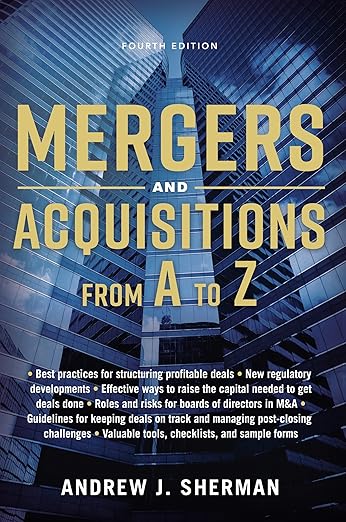
Mergers and Acquisitions from A to Z
by Andrew Sherman
Our Review
The most underrated M&A textbook on this list. Sherman writes like a practitioner, not a professor. You get checklists, sample documents, and step-by-step walkthroughs of how deals actually close. The 2023 edition covers the latest regulatory developments and is surprisingly current. It does not go as deep on valuation as Rosenbaum and Pearl, but it covers the practical execution side of transactions better than anything else out there. A strong first read before moving on to heavier technical material.
About This Book
Walks you through every step of the process - from valuation to securities laws to closing and successful integration.

Investment Banking: Valuation, LBOs, M&A, and IPOs
by Joshua Rosenbaum & Joshua Pearl
Our Review
The industry standard for IB technical training. Rosenbaum and Pearl walk through comparable company analysis, precedent transactions, DCF modeling, and LBO modeling step by step, with real examples and downloadable models. Nearly every analyst training program at a major bank uses this book or something directly derived from it. It is a reference book, not a narrative, so the best way to use it is to work through the models with Excel open in front of you. Passively reading it will not build the muscle memory you need.
About This Book
An essential, all-in-one guide to investment banking and valuation, complete with downloadable models - this new edition reflects valuable contributions from Nasdaq and the global law firm Latham & Watkins LLP plus access to the online valuation models and course.
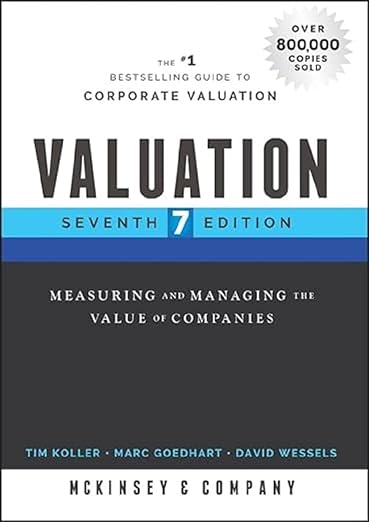
Valuation: Measuring and Managing the Value of Companies
by Tim Koller, Marc Goedhart, David Wessels
Our Review
The most rigorous valuation textbook available. McKinsey's Valuation goes deeper than Rosenbaum and Pearl on the theoretical foundations: why WACC works the way it does, why terminal value assumptions matter so much, why certain multiples can be misleading. At 896 pages it is a serious commitment, but the depth of analysis is unmatched. Best read after you already have a working understanding of the basic methodologies, as it takes you from knowing how to build a DCF to actually understanding the principles behind it.
About This Book
McKinsey & Company's #1 best-selling guide to corporate valuation - the fully updated seventh edition
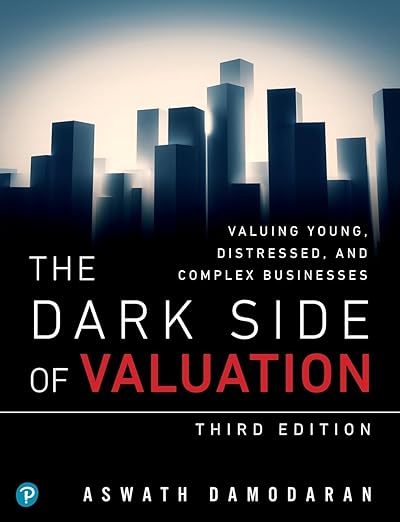
The Dark Side of Valuation: Valuing Young, Distressed, and Complex Businesses
by Aswath Damodaran
Our Review
Damodaran tackles the valuation problems that standard textbooks tend to skip: pre-revenue startups, distressed companies with negative cash flows, cyclical businesses, financial institutions, emerging market firms. His framework for adapting traditional valuation methods to these difficult cases is genuinely original and practical. The writing is more academic than the other books on this list, but the case studies and worked examples keep it grounded. If you plan to work in sectors where standard valuation approaches break down, this book will give you tools that most of your peers will not have.
About This Book
The Definitive Guide to Valuing Hard-to-Value Companies: Fully Revised for Today's Financial Markets
How to Study From These Textbooks
Unlike the narrative books on our other lists, these are reference texts. Nobody reads McKinsey's Valuation cover to cover for fun. The key is knowing which book to use for which purpose, and how to engage with them actively rather than passively.
For building core technical skills, start with Investment Banking by Rosenbaum and Pearl. Work through the valuation methodologies one at a time with a spreadsheet open. Build the models as you read. The book is designed to be used this way, and passively reading through the examples without building them yourself will not give you the retention you need. Once you are comfortable with the basic frameworks, McKinsey's Valuation takes you deeper into the theory behind each methodology.
The Art of M&A and Mergers and Acquisitions from A to Z serve a different purpose entirely. They are process books, not modeling books. They cover the practical side of deal execution: due diligence checklists, documentation, regulatory considerations, post-merger integration. You will not use them for interview prep in the same way, but they become invaluable once you are actually working on live transactions. The Dark Side of Valuation fills a niche that the other books leave open: how to handle the valuation cases where standard approaches break down.
Frequently Asked Questions
Want More Interview Prep?
Download the IB IQ app for 1,000+ practice questions and AI mock interviews, or our free interview PDF guide.